Beyond Fostering: Creative Ways You Can Help Cat Rescues
In our latest episode of The Story of My Pet Podcast, we had an incredibly insightful conversation with Tammy Kaehler from Love Your Feral Felines. This organization is doing phenomenal work in San Diego County, tackling the complex issue of cat overpopulation and advocating for the well-being of both domestic and feral cats. You can dive into the full episode here: Love Your Feral Feline: A Special Podcasthon Episode. Tammy's passion and dedication were palpable, and it sparked a crucial realization: while fostering is undeniably one of the most impactful ways to help a cat rescue, it's not the only way, and it's certainly not accessible to everyone. This blog post is an expansion of our podcast discussion, exploring the myriad of creative and essential ways you can contribute to cat rescues, even if opening your home isn't an option for you right now. From the practical to the creative, every bit of support makes a world of difference in the lives of these deserving animals.
Understanding the Needs of Cat Rescues
Before we delve into the various ways to help, it's vital to understand the operational realities of cat rescues, especially those focused on feral and community cats, like Love Your Feral Felines. These organizations often operate on shoestring budgets, relying heavily on the goodwill and tireless efforts of volunteers. Their primary mission is to save lives, provide medical care, spay/neuter cats to prevent further overpopulation, and find loving homes for those who can be socialized.
However, the work goes far beyond simply taking in cats. Rescues are constantly facing challenges such as:
- Limited space and resources.
- The high cost of veterinary care, including vaccinations, spay/neuter surgeries, and emergency treatments.
- The need for constant fundraising and securing donations.
- The logistical complexities of managing a large number of animals.
- The emotional toll on volunteers who witness the struggles of these animals.
- The ongoing need to educate the public about responsible pet ownership and the importance of Trap-Neuter-Return (TNR) programs.
Recognizing these needs is the first step in understanding where your unique skills and time can be most valuable. Every rescue has a multifaceted operational structure, and every role, no matter how small it may seem, contributes to the overall success of their mission.
Beyond the Crate: Creative Support Roles
Fostering is a huge commitment, involving providing a safe, loving, and temporary home for cats and kittens. It's a hands-on, immersive experience that directly impacts an animal's well-being and socialization. However, for many, this level of direct animal care might not be feasible due to various life circumstances – allergies, living situations, work schedules, or simply the emotional capacity required. The good news is that the world of animal rescue is vast and varied, and there are countless other ways to lend your talents and time.
Think of a cat rescue as a small business or a bustling non-profit organization. It requires marketing, administration, logistics, fundraising, and community outreach, in addition to direct animal care. This is where the "beyond fostering" creative support roles come into play. If you have a skill, a hobby, or even just a few hours to spare, you can likely find a way to contribute that aligns with your abilities and interests.
Let's explore some of these vital, often overlooked, areas of support.
Transportation Titans: Getting Cats Where They Need to Go
Imagine the intricate dance of rescue operations. A stray kitten needs to go from a concerned citizen to a vet for an initial check-up. An adoptable cat needs to be brought from a foster home to a special adoption event. A group of feral cats needs to be transported to a TNR clinic for spaying and neutering. All of this requires reliable transportation.
Volunteer drivers are the unsung heroes of many rescue organizations. This role involves:
- Vet Appointments: Driving cats to and from veterinary clinics for routine check-ups, vaccinations, spay/neuter surgeries, and emergency medical care. This can include picking up pets from foster homes or directly from the field.
- Adoption Events: Transporting cats to and from adoption events, which are crucial for showcasing adoptable animals to potential families.
- Transferring Animals: Moving cats between different rescue facilities or between rescue organizations if one facility is overwhelmed or has specific resources another lacks.
- Supply Pick-ups and Deliveries: Running errands to pick up donated food, litter, or medical supplies, or delivering these items to foster homes or other locations as needed.
This role requires reliability, punctuality, and a gentle touch when handling animals. It's a straightforward yet incredibly impactful way to ensure that cats receive the care and attention they need to thrive and find their forever homes. If you have a car and enjoy driving, you can be a lifesaver.
Visual Storytellers: Photography and Videography for Adoptions
In today's digital age, compelling visuals are paramount for attracting adopters. A shy cat hiding in the back of a cage rarely captures the attention of potential adopters browsing online. However, a beautifully photographed cat, looking happy and engaging, can make all the difference.
Volunteer photographers and videographers play a crucial role in showcasing the personality and charm of adoptable cats. This involves:
- High-Quality Photos: Taking bright, clear, and engaging photographs of cats, highlighting their unique features and personalities. This often means capturing them in playful poses, relaxed moments, or showing off their adorable expressions.
- Compelling Videos: Creating short, engaging videos that show cats interacting, playing, or cuddling. These videos can bring a cat's personality to life in a way that photos sometimes cannot.
- "Day in the Life" Content: Documenting the daily routines of cats in foster care or at a rescue facility to give potential adopters a glimpse into their lives and temperaments.
- Event Coverage: Capturing candid shots of cats interacting with people at adoption events, showcasing their adoptability and generating excitement.
This role is perfect for individuals with a good eye for composition, lighting, and storytelling through visuals. You don't need to be a professional; many rescues are thrilled with enthusiastic amateurs who can learn and adapt. The impact of good photography and videography is immense, directly translating into more adoptions and fewer cats waiting for their chance at a loving home.
Word Wizards: Grant Writing and Social Media Advocacy
The heart and soul of a rescue are in its mission, but its survival often depends on funding and widespread awareness. This is where the power of words comes into play, whether it's convincing grant-making organizations to provide financial support or engaging the public through social media.
Grant Writing: This is a specialized skill that can be incredibly valuable to non-profit organizations. Grant writers research funding opportunities, craft compelling proposals that highlight the organization's impact and needs, and manage the application process. This requires strong writing skills, attention to detail, and the ability to articulate the rescue's mission in a persuasive manner. Even if you don't have professional grant writing experience, a willingness to learn and strong research abilities can make you a valuable asset.
Social Media Advocacy: In the digital age, a strong social media presence is non-negotiable for any organization seeking to raise awareness, recruit volunteers, and secure donations. Social media volunteers can:
- Create Engaging Content: Share photos and videos of adoptable cats, success stories, and behind-the-scenes glimpses of rescue work.
- Write Captivating Captions: Craft posts that tell a story, highlight a cat's personality, and encourage engagement (likes, shares, comments).
- Run Campaigns: Help organize and promote fundraising campaigns, adoption drives, or calls for specific donations.
- Respond to Inquiries: Engage with followers, answer questions about adoptable cats or volunteer opportunities, and foster a sense of community.
- Share Information: Educate the public about important issues like TNR, spaying/neutering, and responsible pet ownership.
If you're a natural communicator, enjoy crafting compelling narratives, or have a knack for engaging online audiences, these roles are incredibly important. They amplify the rescue's voice and reach a wider audience than ever before.
The Power of Practicality: Supplies and Donations
While not as glamorous as other roles, the consistent provision of essential supplies is the bedrock of any rescue's ability to function. Every item donated directly impacts the comfort and health of the animals.
Monetary Donations: This is often the most straightforward and impactful way to help. Rescues have ongoing expenses for food, litter, veterinary care, medications, and facility maintenance. Even a small, recurring donation can make a significant difference. Many organizations have online donation platforms, making it easy to contribute financially.
Wish Lists: Most rescues maintain detailed "wish lists" of specific items they need. These often include:
- Food and Treats: High-quality wet and dry cat food, kitten food, and special dietary foods.
- Litter: Clumping and non-clumping cat litter.
- Bedding: Blankets, towels, and soft beds.
- Toys: Durable and engaging toys to keep cats entertained and stimulated.
- Cleaning Supplies: Paper towels, disinfectants, laundry detergent, and trash bags.
- Grooming Supplies: Brushes, nail clippers, and pet-safe shampoos.
- Medical Supplies: (Often specific needs, check with the rescue)
Donating items from a wish list ensures that the rescue receives exactly what they need, reducing their purchasing costs and allowing them to allocate funds to other critical areas like veterinary care.
Organizing Drives: If you're part of a community group, workplace, or school, consider organizing a supply drive. This can significantly boost the rescue's inventory and raise awareness among a broader audience.
Community Crusaders: Education and TNR Efforts
Beyond direct animal care and adoptions, many rescues are deeply involved in community education and advocating for humane population control methods like Trap-Neuter-Return (TNR).
TNR Advocacy and Assistance: TNR is a humane method of managing feral cat populations. It involves humanely trapping feral cats, spaying or neutering them, vaccinating them against rabies, and returning them to their original outdoor homes. Volunteers are crucial for:
- Trapping: Learning humane trapping techniques to safely capture cats for TNR.
- Monitoring Colonies: Observing and documenting feral cat colonies to understand their needs and track their health.
- Educating the Public: Spreading awareness about TNR and how it benefits both cats and communities.
- Fundraising for TNR: Supporting the costs associated with TNR, which can include trapping supplies, veterinary fees, and post-operative care.
Public Education: Many people are unaware of the challenges faced by feral cats or the importance of spaying and neutering. Volunteers can assist in creating educational materials, giving presentations at schools or community events, and staffing information booths at local fairs.
This area of volunteerism is critical for addressing the root causes of cat overpopulation and fostering a more compassionate society towards all animals, including those living outdoors.
How to Get Involved with Organizations like Love Your Feral Felines
Inspired to take action? Getting involved with a rescue organization like Love Your Feral Felines is easier than you might think:
- Visit Their Website: Start by exploring the organization's official website. This is usually the best source for information on their mission, current needs, and volunteer opportunities. Look for sections labeled "Get Involved," "Volunteer," or "Donate."
- Check Their Social Media: Follow them on platforms like Facebook, Instagram, or Twitter. Rescues often post urgent needs, volunteer calls, and event information here.
- Attend an Orientation or Information Session: Many organizations host volunteer orientations to explain their programs and requirements. This is a great way to learn more and ask questions.
- Fill Out a Volunteer Application: Most rescues will have a volunteer application form, either online or in person. This helps them understand your interests and availability.
- Be Clear About Your Skills and Availability: When you apply, be honest about what you can offer. Whether it's a few hours a week for transportation or specific skills in photography or writing, clarity helps them place you effectively.
- Don't Be Afraid to Ask: If you're unsure about how you can help, reach out! Most rescue coordinators are happy to discuss potential roles and match volunteers with needs.
- Start Small: If you're new to volunteering, consider starting with a smaller commitment to see if it's a good fit for you. Even a single event or task can be incredibly beneficial.
Remember, organizations like Love Your Feral Felines are always looking for dedicated individuals who are passionate about animal welfare. Your unique contribution, whatever it may be, is highly valued.
Conclusion: Every Contribution Matters
Our conversation with Tammy Kaehler on Love Your Feral Feline: A Special Podcasthon Episode truly opened my eyes to the incredible dedication and the wide-ranging needs of cat rescues. While fostering is a magnificent act of kindness, it's just one piece of the intricate puzzle that keeps these vital organizations running and saving lives. This blog post has explored the diverse landscape of volunteer opportunities, from the essential tasks of transportation and supply management to the creative endeavors of photography and social media advocacy, and the impactful work of grant writing and community education.
The overarching message is clear: there are numerous ways for everyone to contribute to the well-being of cats in need, regardless of whether you can open your home. Your time, your skills, your passion – they are all valuable resources that can directly translate into saved lives, improved care, and a brighter future for countless felines. So, I encourage you to reflect on what you can offer. Reach out to your local rescues, explore their needs, and find your unique way to be a part of the solution. Every single contribution, no matter how big or small, truly matters.
To learn more about Love Your Feral Feline, visit their Website Follow them on Facebook Instagram and Youtube

Podcaster | Speaker | Coach | Blogger | Fur Mom | Animal Advocate
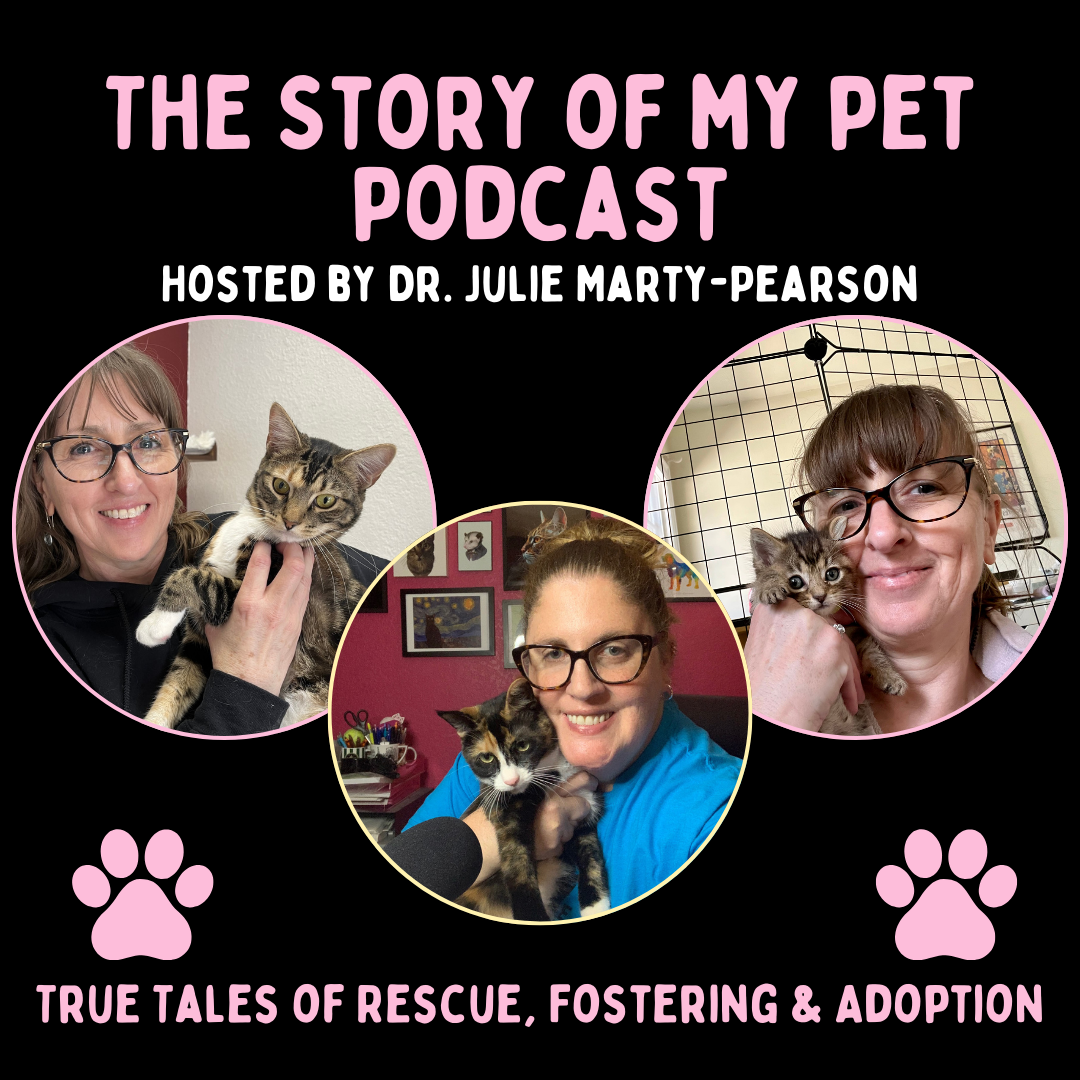
Host Dr. Julie Marty-Pearson is a dedicated Fur Mom, lifelong animal lover, pet enthusiast, and all around animal advocate. She has volunteered at her local county animal shelter, is a kitten foster mom, and occasional pet sitter. Julie started The Story of My Pet Podcast to share the stories of her own pets, past and present, along with family and friends. The podcast has grown to be a Top 5% podcast and includes pet stories from all over the world! The purpose of the podcast has also expanded to be a platform for advocacy and education in all areas of animal welfare, rescue, fostering, adoption, and volunteerism. Julie believes every pet’s story deserves to be heard and uses podcasting to build community, advocacy, and awareness for rescue animals everywhere. Julie also runs her own business, Podcast Your Story Productions, where she helps business owners and entrepreneurs launch their own podcasts, grow existing podcasts, and become sought-after podcast guests.
Dr. Julie Marty-Pearson is a Visibility Coach, Podcasting Mentor, and Community Builder for purpose-driven women who are ready to own their voice and share their story. She coaches people to grow their visibility and confidence through podcast hosting, guesting, and speaking. Julie started her second podcast, Podcast Your Story, which focuses on how to amplify your voice and grow your business through podcast hosting and guesting. She also created and hosts two communities: 1) the Women's Podcaster Party Networking Community, for podcasters, guests, and speakers to connect and collaborate, and 2) …Read More
Why We Love Mikko’s Choice CBD: A Natural Way to Support Your Pet’s Health